News
Why Every Private Client Project Needs a Quantity Surveyor (QS)

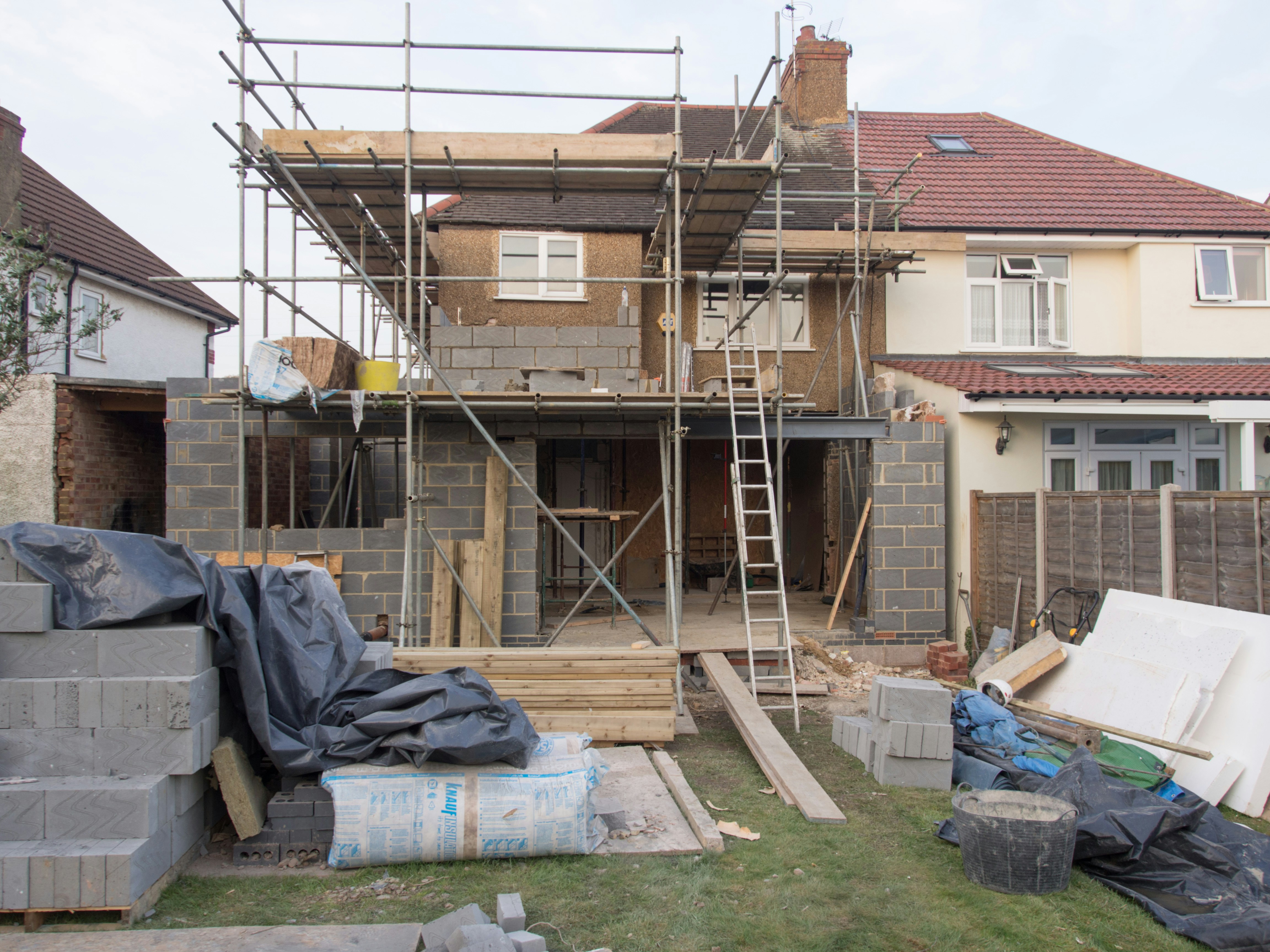
You've found the plot, or fallen for the tired 1930s semi that's crying out for an extension. The architect's drawings are done, the mood board is finished, and the whole thing finally feels real. Then the first contractor quote lands in your inbox, a single number, with barely a breakdown, and a nagging feeling that you have no real way of knowing whether it's fair. For most private clients, that's the moment a project stops feeling exciting and starts feeling risky.
New Builds, Home Extensions and Renovations are some of the biggest financial commitments most people will ever make, and some of the least transparent. That's exactly the gap a Quantity Surveyor exists to close.
What Does a Quantity Surveyor Actually Do?
Commercial developers use a QS as a matter of course on every project. On private homes, though, most people have never worked with one, and aren't entirely sure what the role involves. In short: a Quantity Surveyor is an independent cost and contract expert who works on your side of the table, not the builder's. They cost the project properly before it starts, keep a close eye on it while it's underway, and make sure the numbers — and the paperwork behind them — protect you rather than catch you out.
Below are the six biggest reasons private clients bring a QS onto their project, the concerns we hear most often, and when it actually makes sense to get one involved.
Why Private Clients Should Use a Quantity Surveyor
Accurate Cost Planning From the Start
Avoid nasty surprises. Before you've even chosen a builder, a Quantity Surveyor produces a realistic cost plan based on your drawings and specification — covering everything from groundworks to fittings, not just the headline build cost. That means you go into the project with a genuine budget rather than a guess, and can decide early whether the scheme in front of you is affordable, or needs adjusting before it ever reaches tender.
Prevent Overspending
Contractors' prices vary wildly. Ask three builders to quote the same extension and you'll often get three very different numbers — not necessarily because two of them are wrong, but because they're pricing different assumptions, different specifications, or simply leaving room to negotiate. A Quantity Surveyor benchmarks those numbers against real cost data, flags anything that looks inflated (or suspiciously low), and helps you understand exactly what you're paying for.
Independent, Professional Advice
You get a construction expert on your side — protecting your interests, not the contractor's. A QS isn't employed by the builder and has no stake in the contractor's margin, which matters more than people expect once the project is underway and decisions need to be made quickly.
Transparent Tendering Process
Rather than collecting a handful of quotes that are impossible to compare like-for-like, a Quantity Surveyor prepares proper tender documents — the same scope, specification and assumptions sent to every contractor — so the quotes that come back can be judged fairly, and the cheapest number isn't quietly hiding a shortcut.
Contract Protection
From JCT contracts to payment schedules, a Quantity Surveyor ensures you're legally covered and never pay ahead of progress. A verbal agreement or a one-page quote isn't a contract — a QS puts a proper agreement in place covering what happens if the project overruns, if extra work is needed, or if something goes wrong, and structures payments so you're only ever paying for work that's actually been done.
Keep the Project on Budget
Through ongoing cost control, valuations, and change management, a QS keeps the finances on track throughout the build. Once the project is on site, that's when the real test starts: a QS values the works each month, assesses any variations as they come up, and keeps a running check on the numbers — so you find out about a budget problem in week six, not at final account.
The Concerns We Hear Most Often
In practice, most private clients come to us with a version of the same handful of worries. Here's what we typically hear — and how a Quantity Surveyor addresses each one.
Problem | QS Solution |
“The contractor's quote seems vague.” | Detailed scope definition and an itemised Bill of Quantities or Pricing Document ensure clarity and prevent disputes. |
“The project is costing more than expected.” | Upfront cost planning, real-time change management, and ongoing cost monitoring. |
“I don't want to be taken advantage of.” | Independent assessment of all costs and contractor claims. |
“I don't know how to compare quotes.” | The Quantity Surveyor prepares tender packs so quotes are like-for-like, and carries out the analysis when quotes are returned. |
When to Bring a QS On Board
The honest answer is: as early as possible. Bringing a Quantity Surveyor in once you have architectural drawings — even at planning stage — means the cost plan can influence design decisions before they're locked in, rather than landing as a nasty surprise once tender comes back. We work with private clients right through a project, from feasibility to final account, but even a one-off cost check before you commit to a builder can save you from an expensive mistake.
The Bottom Line
A Quantity Surveyor won't make your project cheaper. What they will do is make sure you know exactly what you're paying for, that your contract protects you, and that surprises become the exception rather than the rule.